Horticulture Therapy Design Research
A vase, attachable to a wheelchair, optimized for horticulture therapy.
Word Design Organization Article: https://wdo.org/how-id-4843-taught-students-to-design-for-dignity/
Essie Knows Best: The Lesson Only Nursing Home Residents Can Teach Georgia Tech Design Students: https://wdo.org/how-id-4843-taught-students-to-design-for-dignity/
Recognized by WDO & Published in GT Real World Research Initiative!
Our Design Research Story
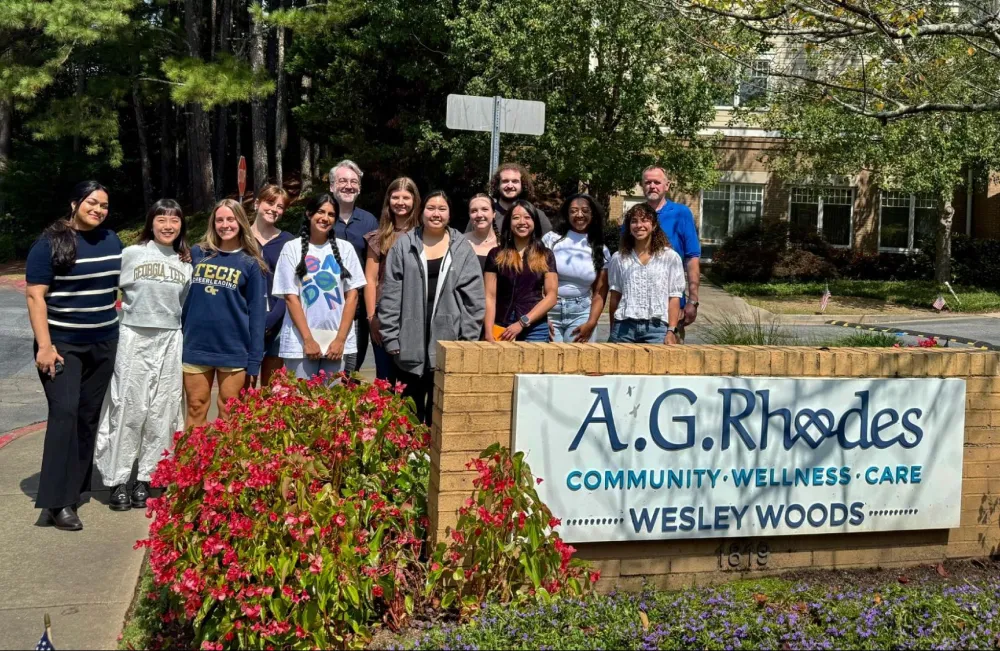
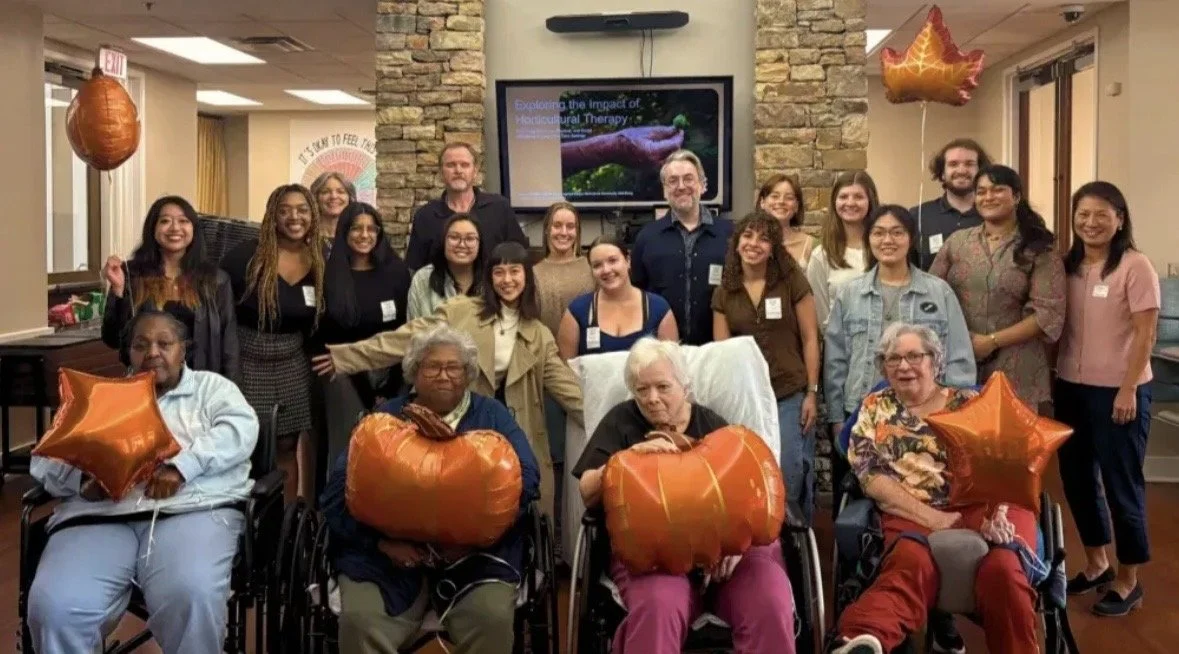
I am involved in design research at Georgia Tech studying the effects of horticulture therapy on elderly patients, including individuals in the early stages of cognitive decline, at Emory’s A.G. Rhodes nursing home. Our research focuses on developing innovative, dignity-centered design solutions that make horticulture therapy more accessible, effective, and engaging for residents.
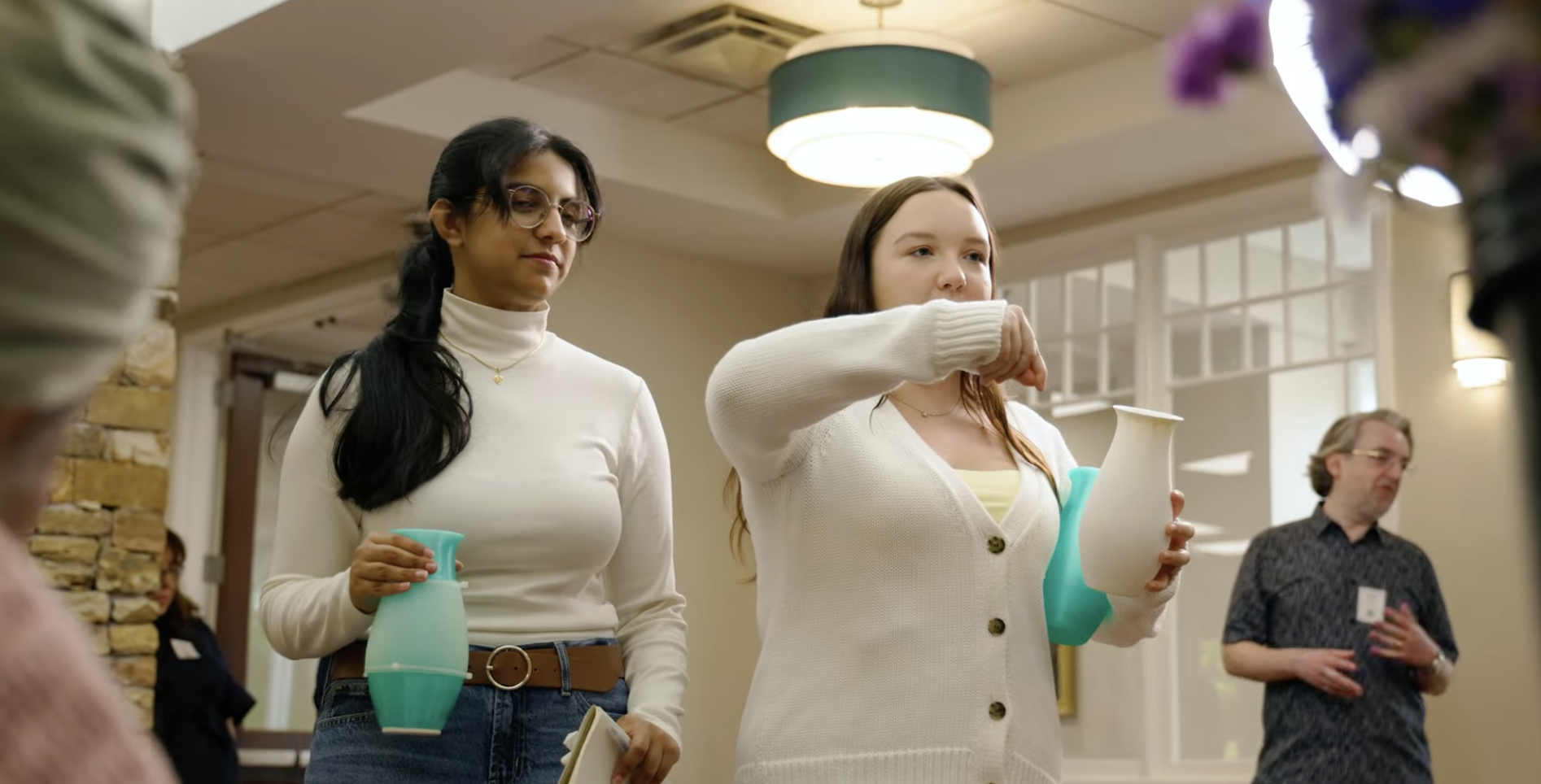
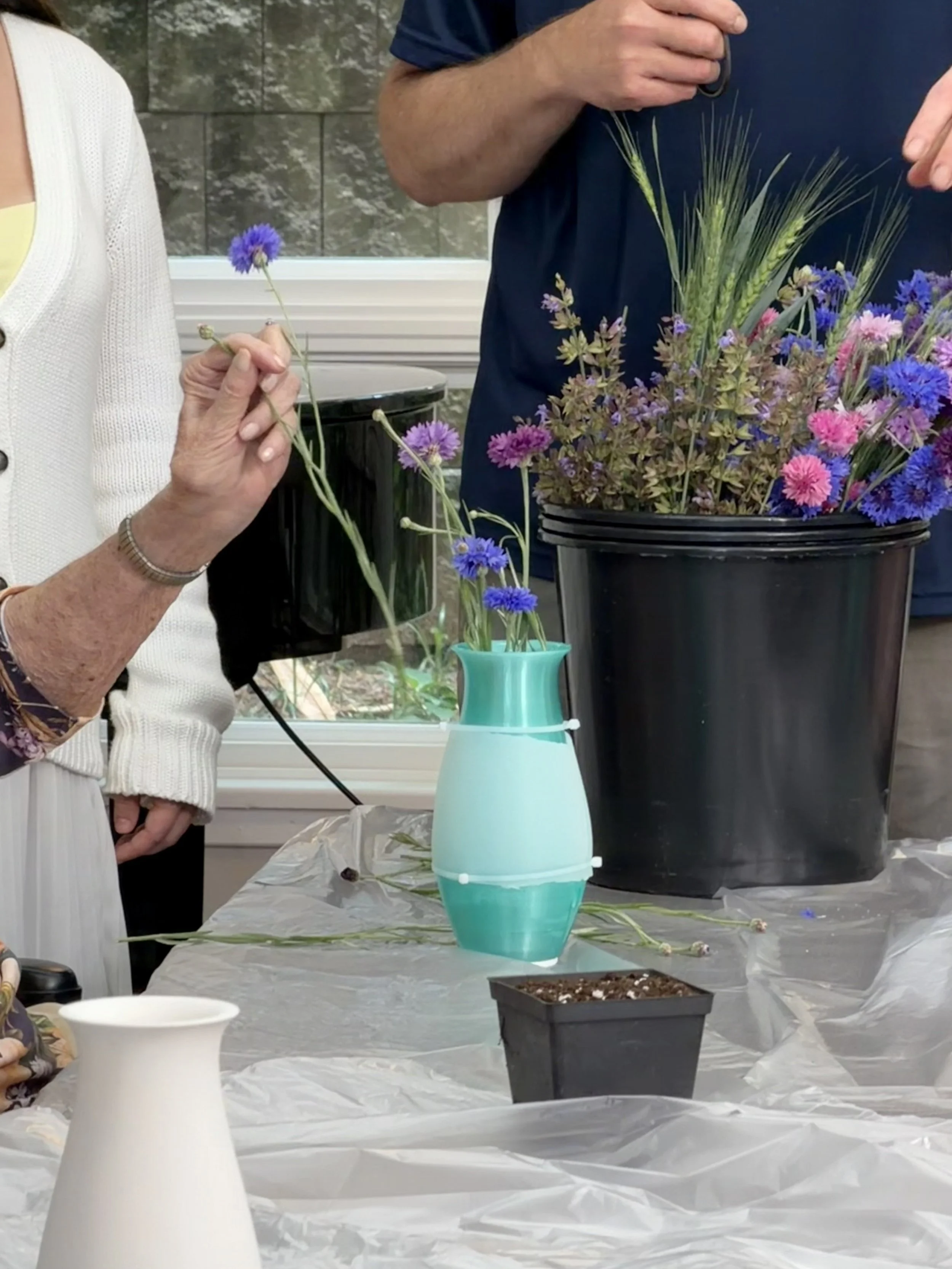
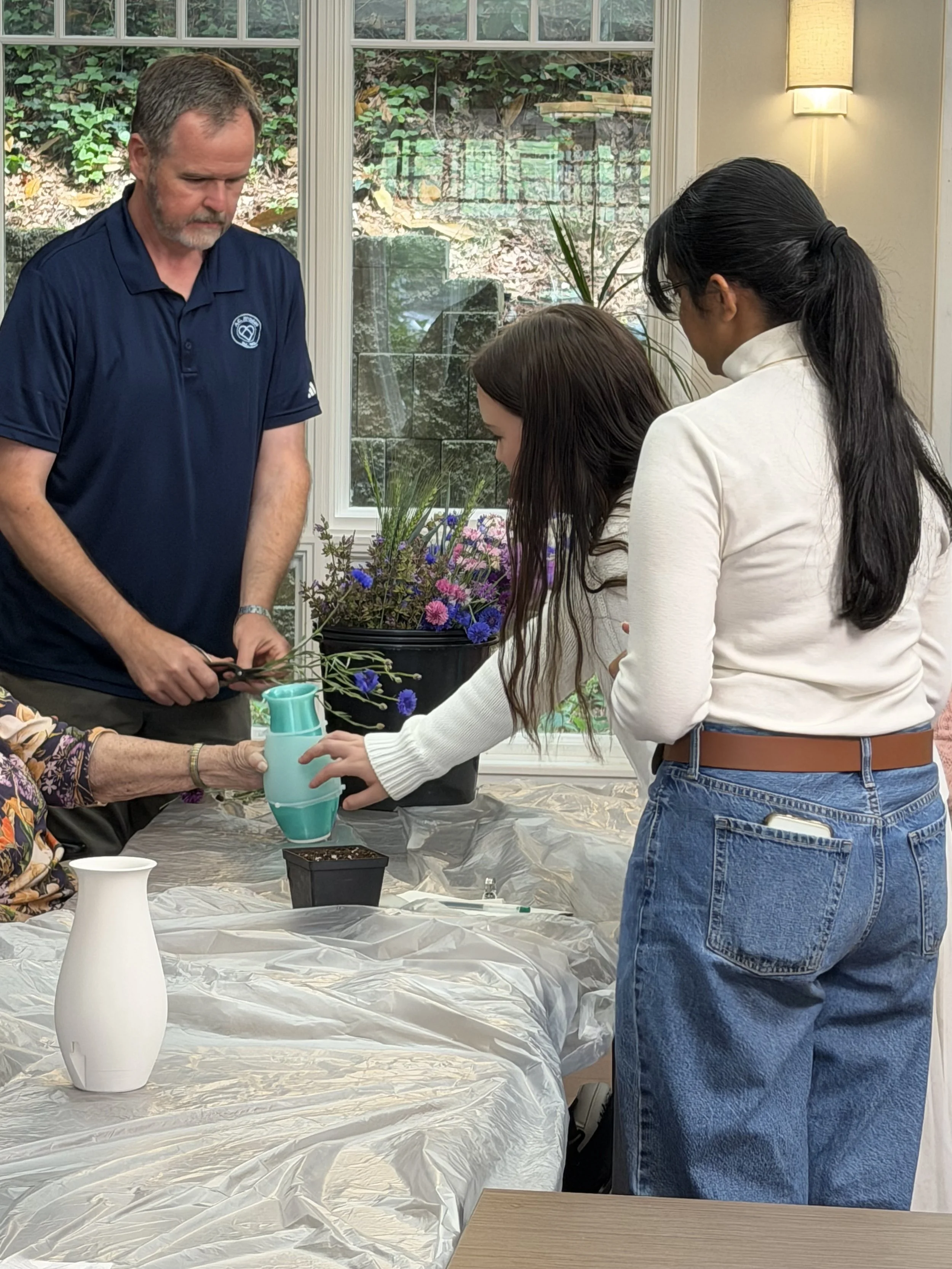
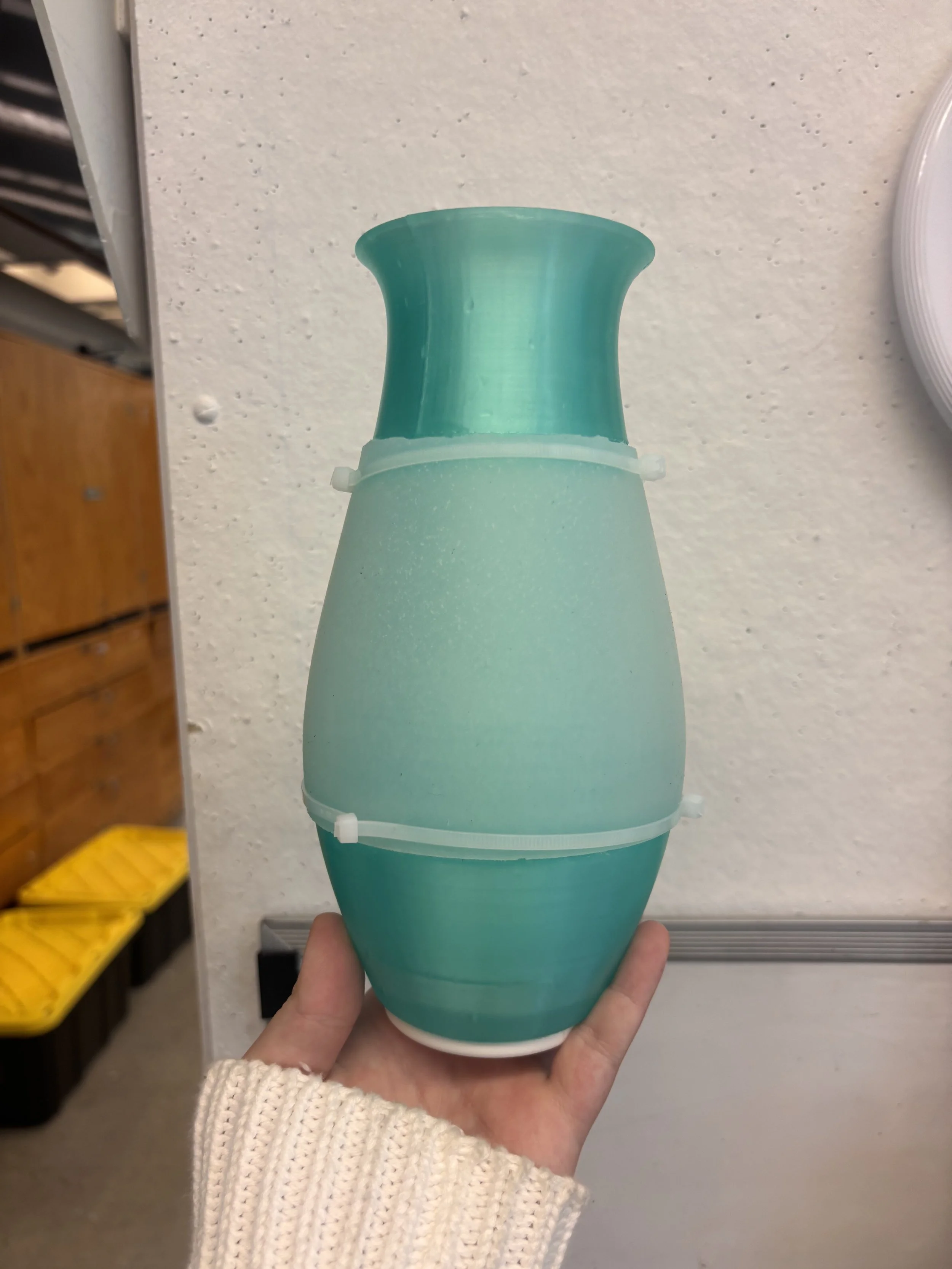
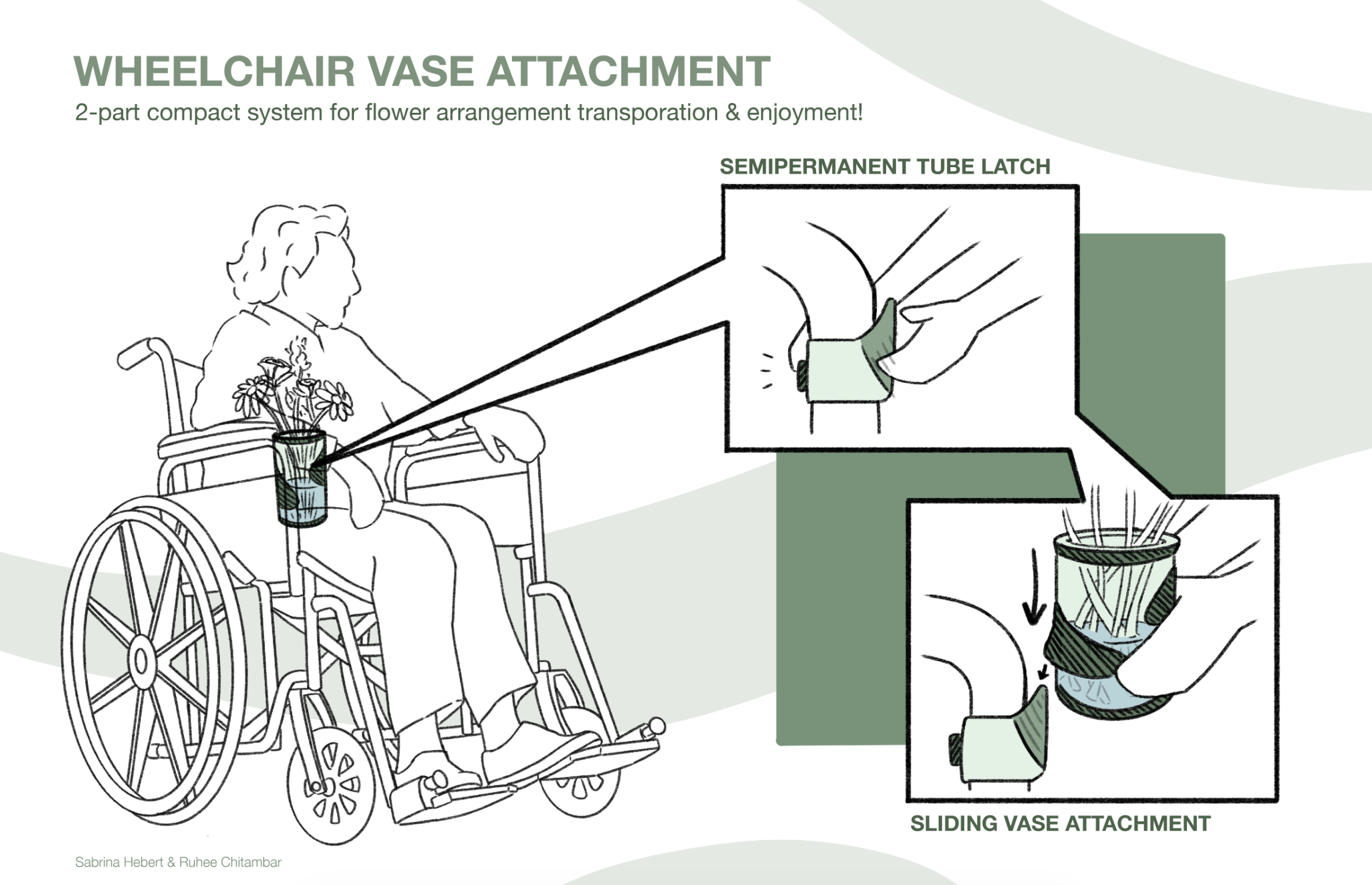
My group designed a wheelchair-mountable vase optimized for horticulture therapy. This product allows residents who use wheelchairs to more easily participate in arranging, transporting, and interacting with flowers and plants during therapy sessions. By reducing physical barriers, the vase supports independence, sensory engagement, and meaningful participation.
One particular session brought the residents’ challenges into focus.
Residents spent the morning arranging flowers. When they finished, they admired what they had created.
Then they waited.
They needed help. They couldn’t put the flowers away on their own.
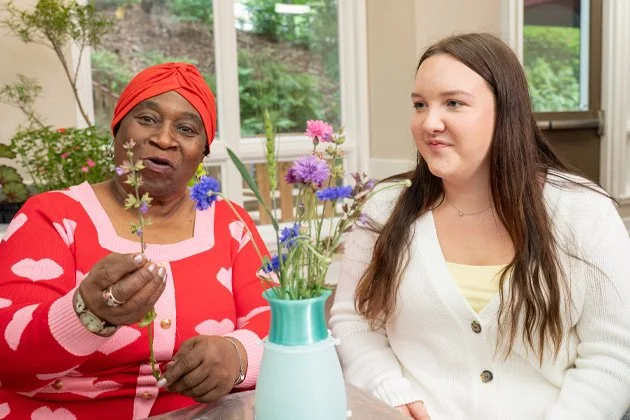
“It was such a disheartening moment,” Tonetto said. “They created these beautiful arrangements, but they weren’t able to take them back to their rooms themselves.”
Tonetto didn’t see a limitation in the residents. “I think it’s a design problem,” he said.
The students went back to work.
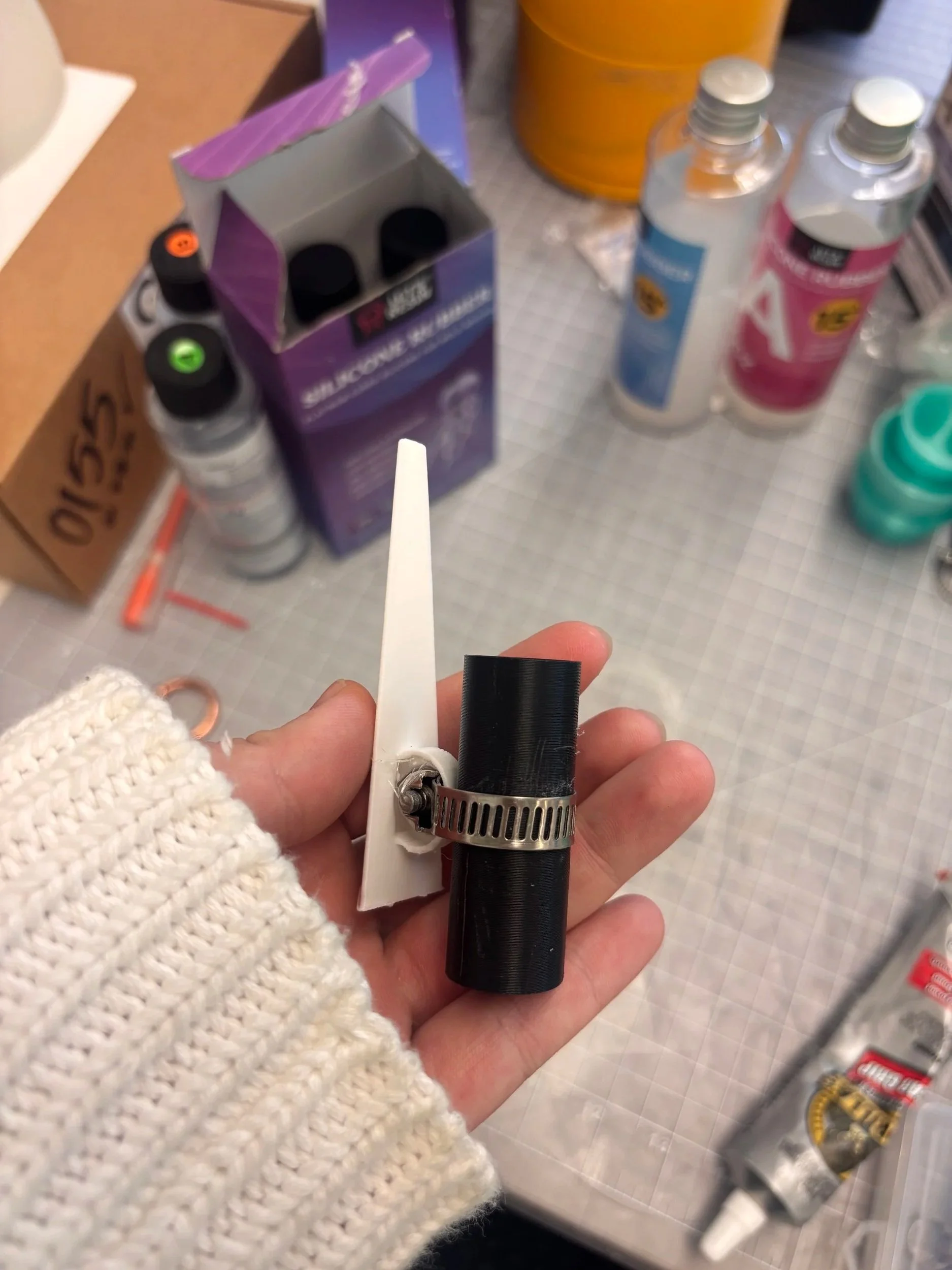
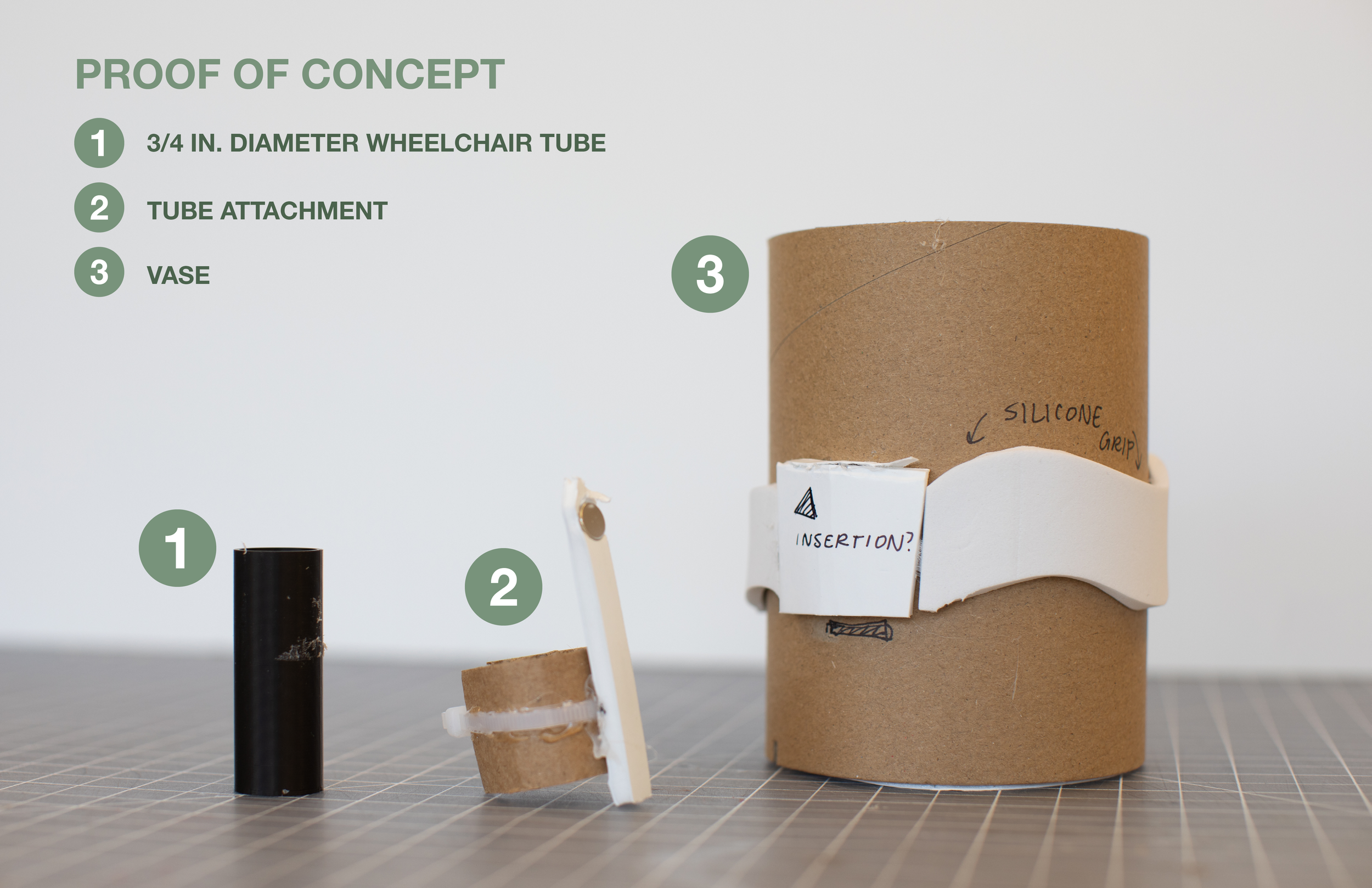
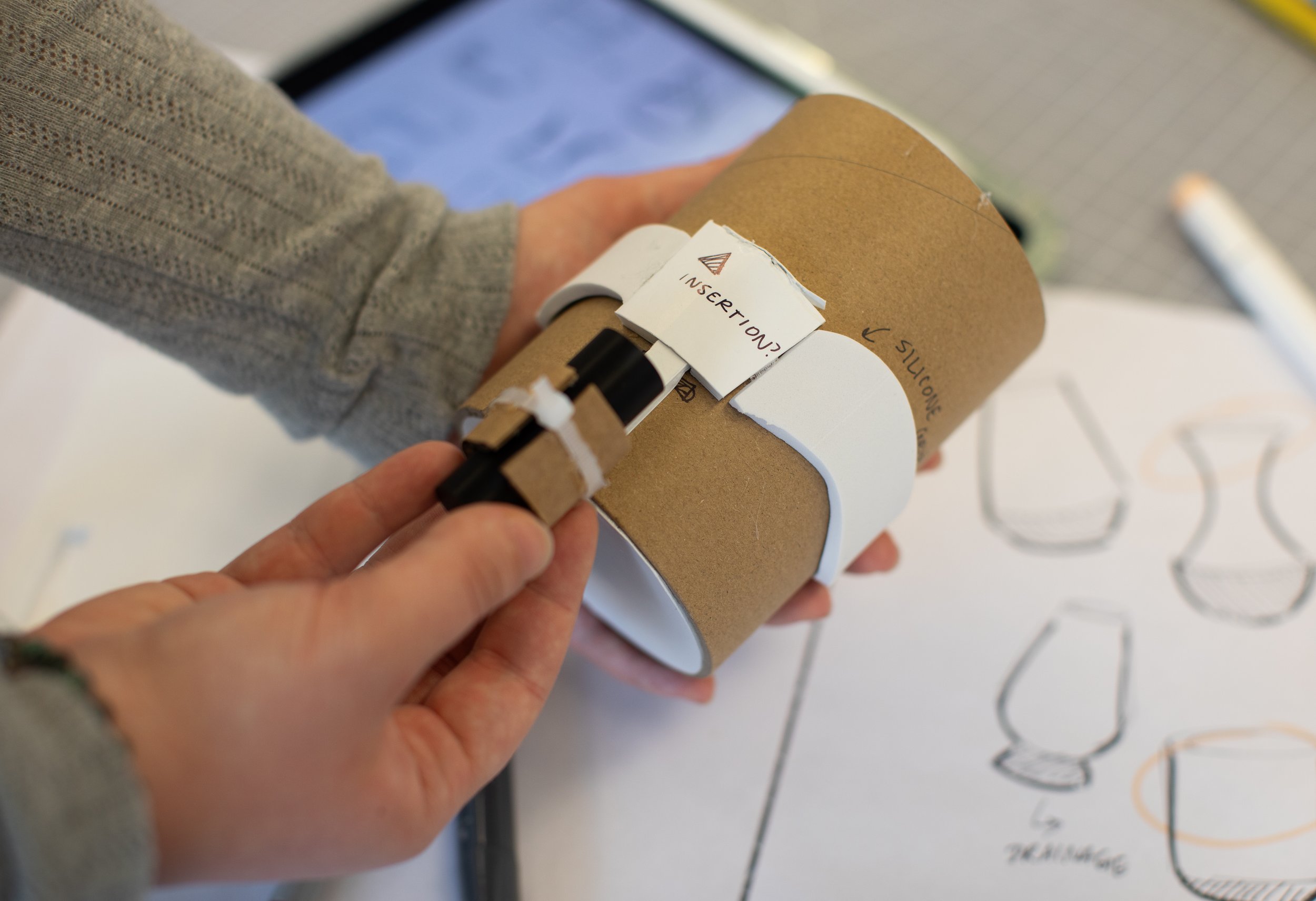
The solution they developed was a lightweight vase attachment that clips onto a wheelchair, allowing residents to transport their flower arrangements on their own.
When Sabrina Hebert, a third-year industrial design student, returned with the prototype, Essie immediately understood how it works.
“She just grabbed it,” Hebert said. “Essie told me, ‘I’m making this work. I’m doing it myself.’”
Essie clipped it onto her wheelchair without any assistance.
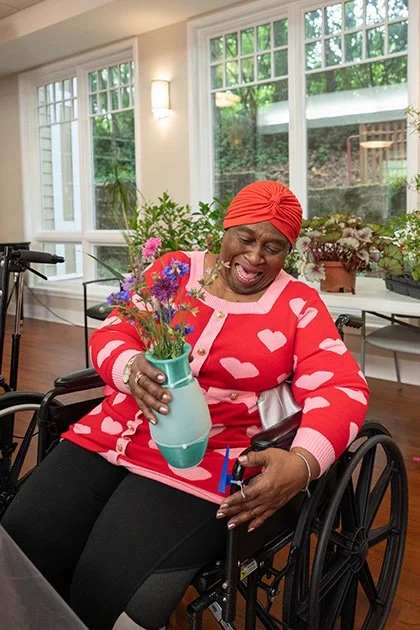
I love it. I love it. It’s mine,” Essie said. “You can take it to your room and sit it on your dresser. Or you can leave it on your wheelchair, and when you go down the hall, people can see what you made.”
For the students, it was proof design changes could restore a measure of independence.
For Essie, it was a chance to do something herself — and to give something back.
“You know, it’s good to help,” Essie said. “I feel that I’m helping the students. That makes me feel good.”
Words from the Professor:“We want students to see that their skills can do more than land a job, they can change lives.”
-Professor Leandro Miletto Tonetto

Behind the Design
Publications & Updates
Our work was published in the World Design Organization, and is featured in Georgia Tech’s Real World Research Initiative!
Click the photos for links to articles!