Interaction Design Studio - Spring 2026
Our Green Realities
Bringing Environmental Storytelling to Life Through Interactive Design
Experiential Design · Research · Physical Fabrication · Creative Coding · Animation
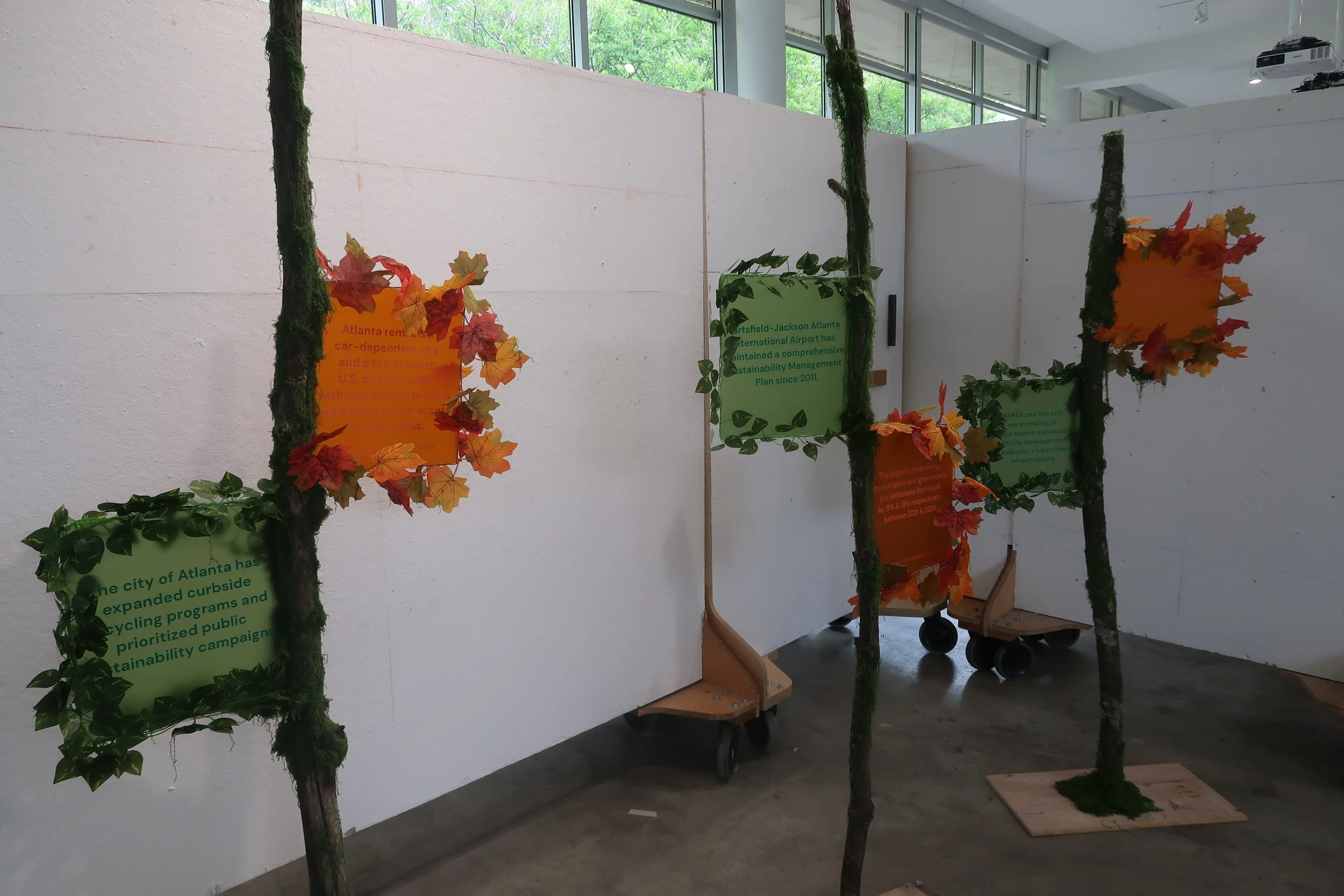
Our Green Realities is an interactive exhibition exploring environmental issues through immersive storytelling, physical installations, and digital media.
The project challenged our team to transform complex environmental topics into an engaging, approachable experience that encouraged visitors to explore, interact, and reflect.
Bringing the exhibit to life required an interdisciplinary design process that extended far beyond the initial concept. From extensive research and experience planning to fabrication, programming, animation, and installation, we worked to create a cohesive experience that connected physical and digital elements.
The result was an exhibition combining tangible forms, interactive technology, and visual storytelling to communicate environmental ideas in an engaging and memorable way.
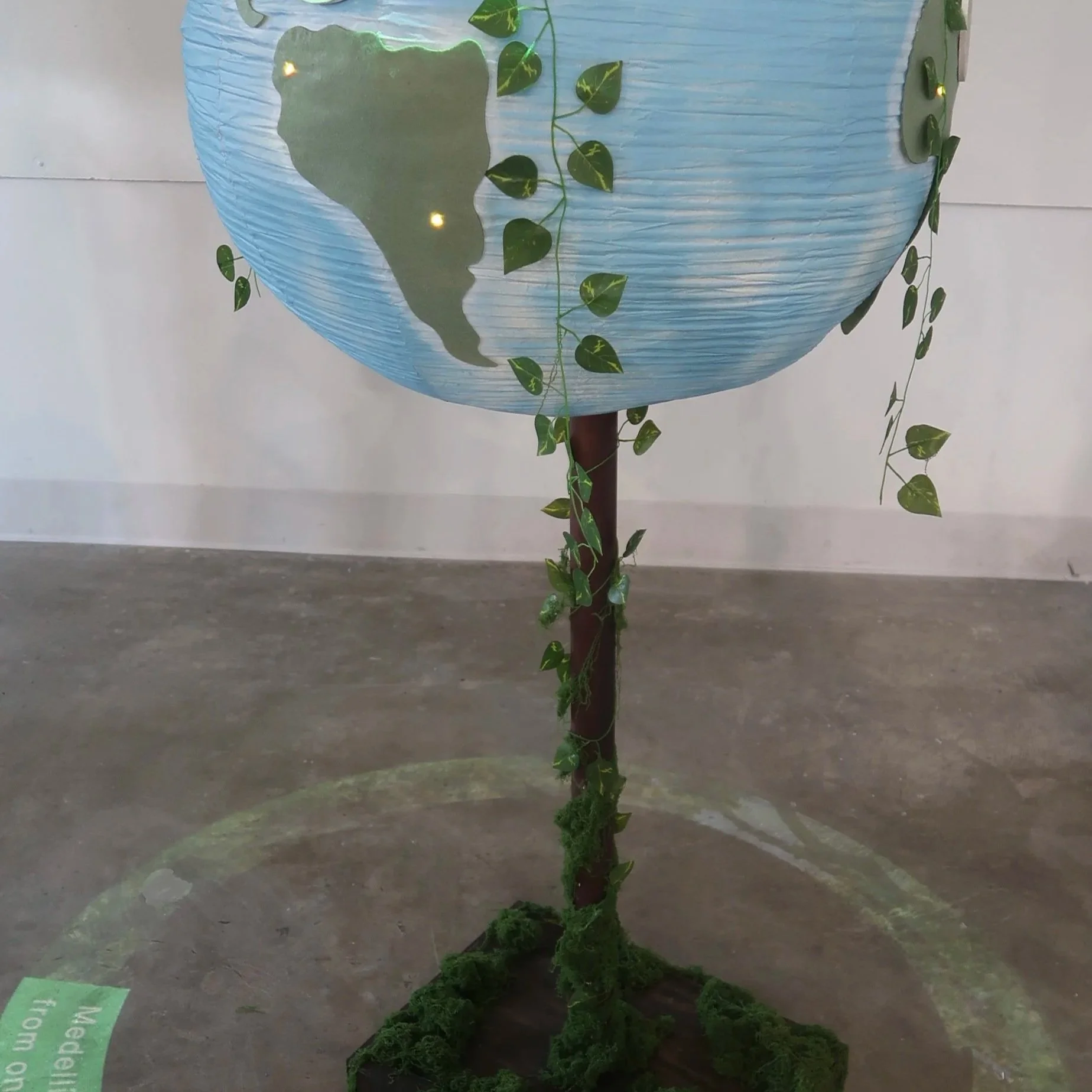
Global Green Decisions
Making Global Sustainability Visible Through Interactive Exhibition Design
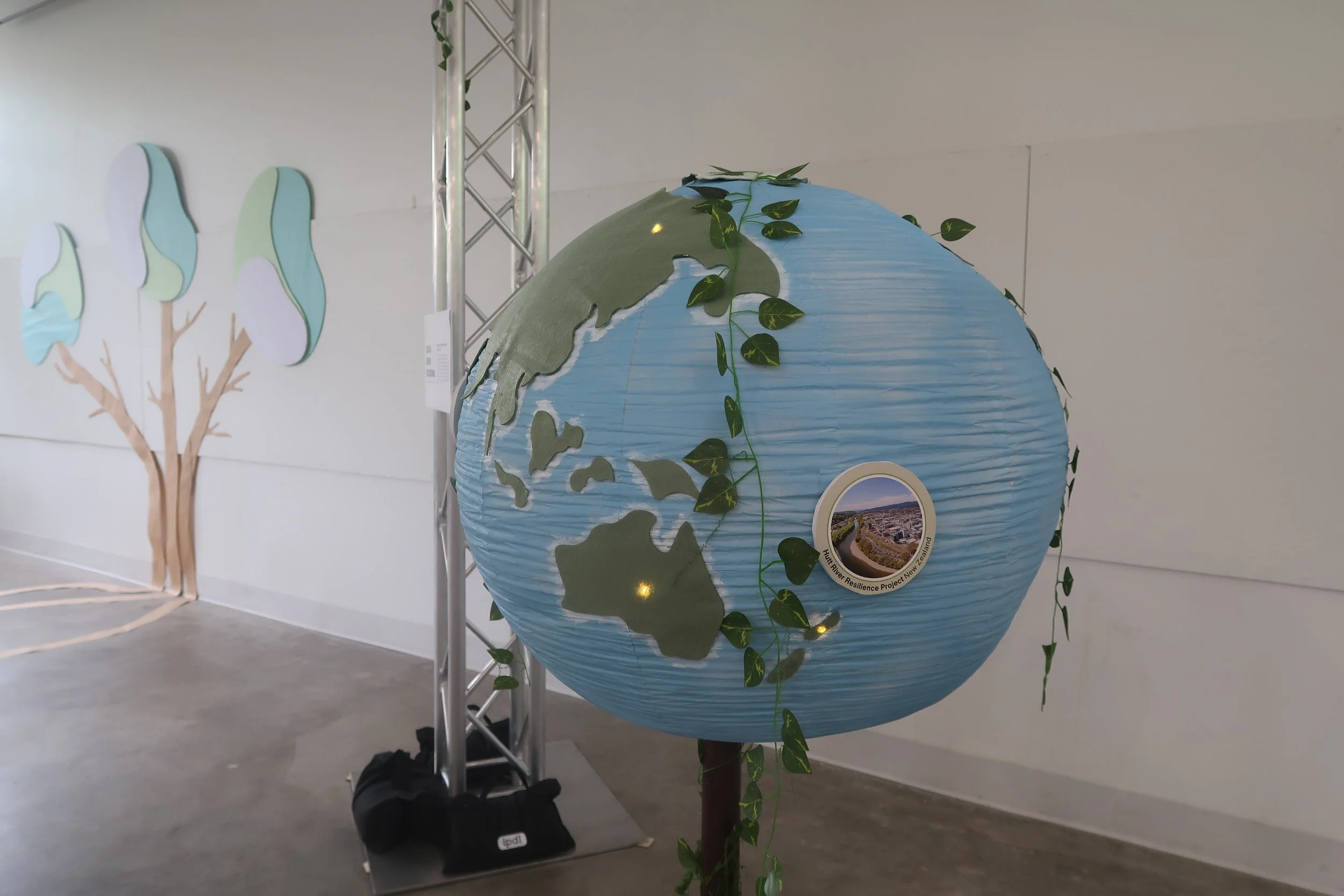
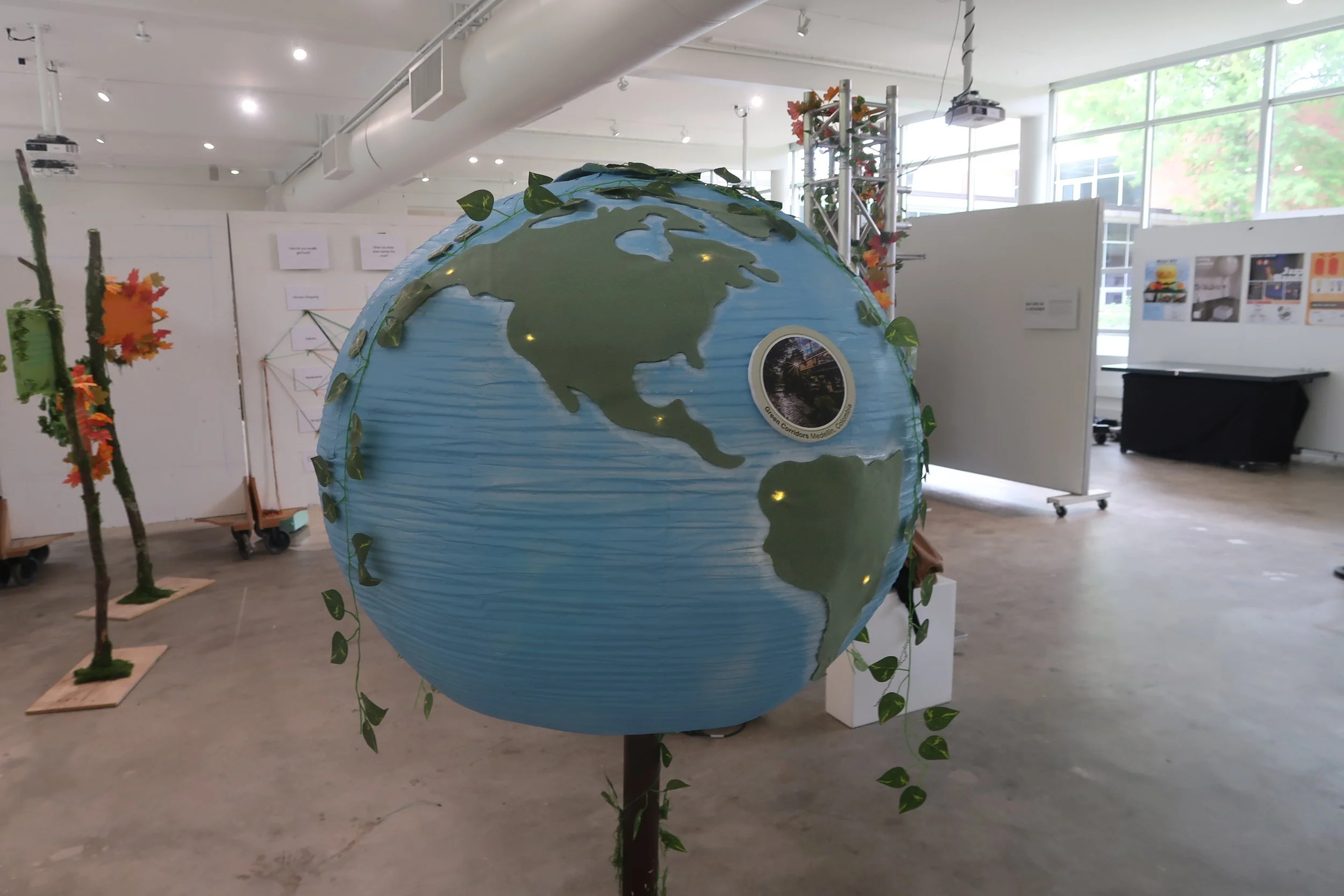
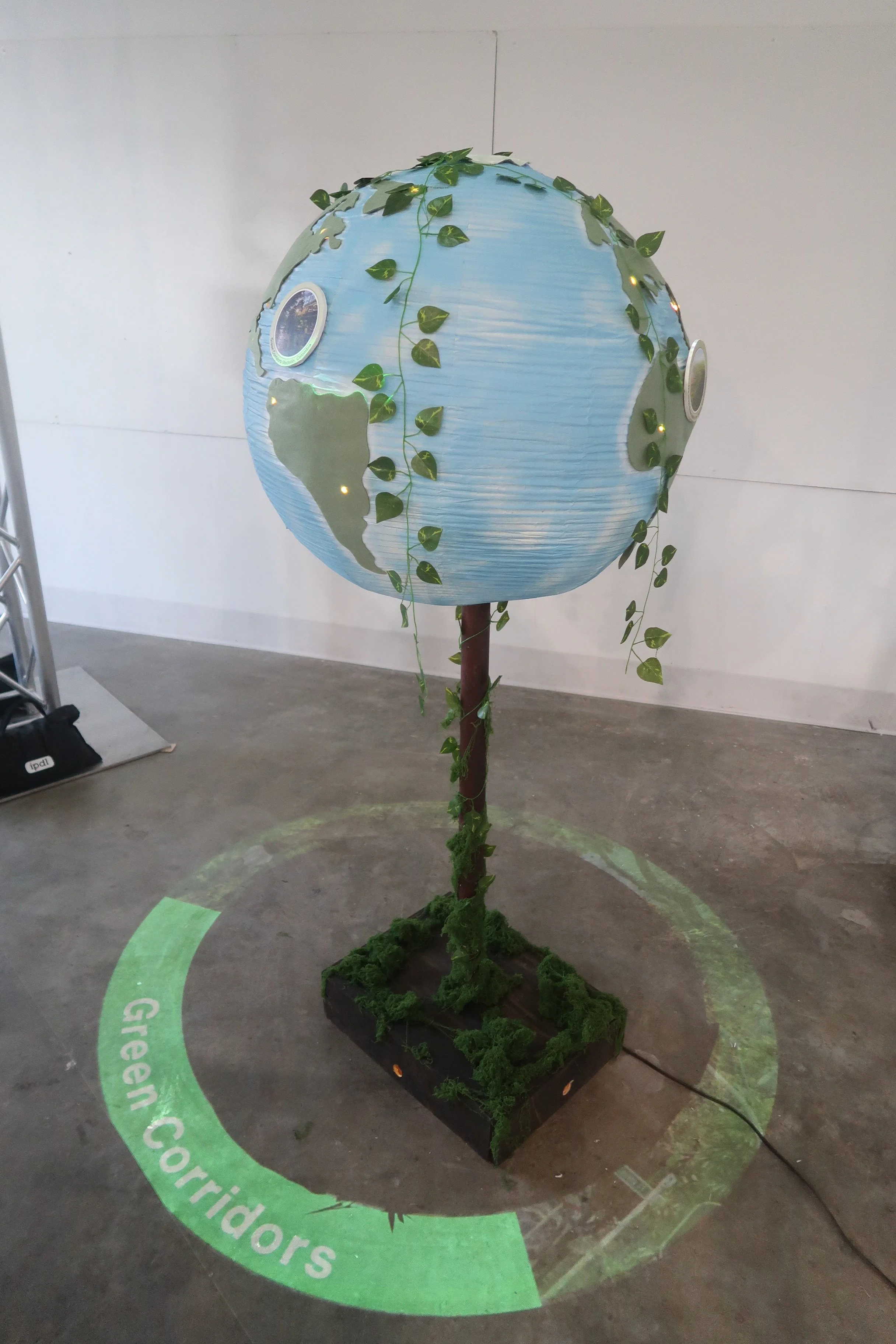
As part of Our Green Realities, our team designed and fabricated an interactive globe installation highlighting environmental initiatives taking place around the world.
Rather than focusing solely on the negative impacts of climate change, we wanted to celebrate the positive actions communities and countries are taking toward a more sustainable future.
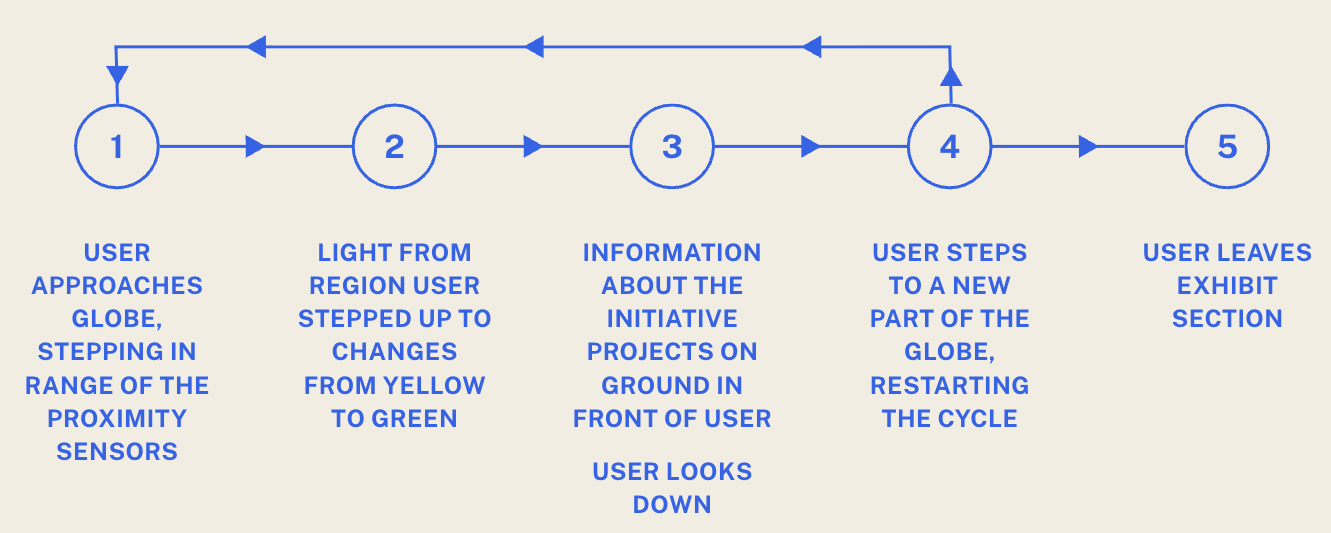
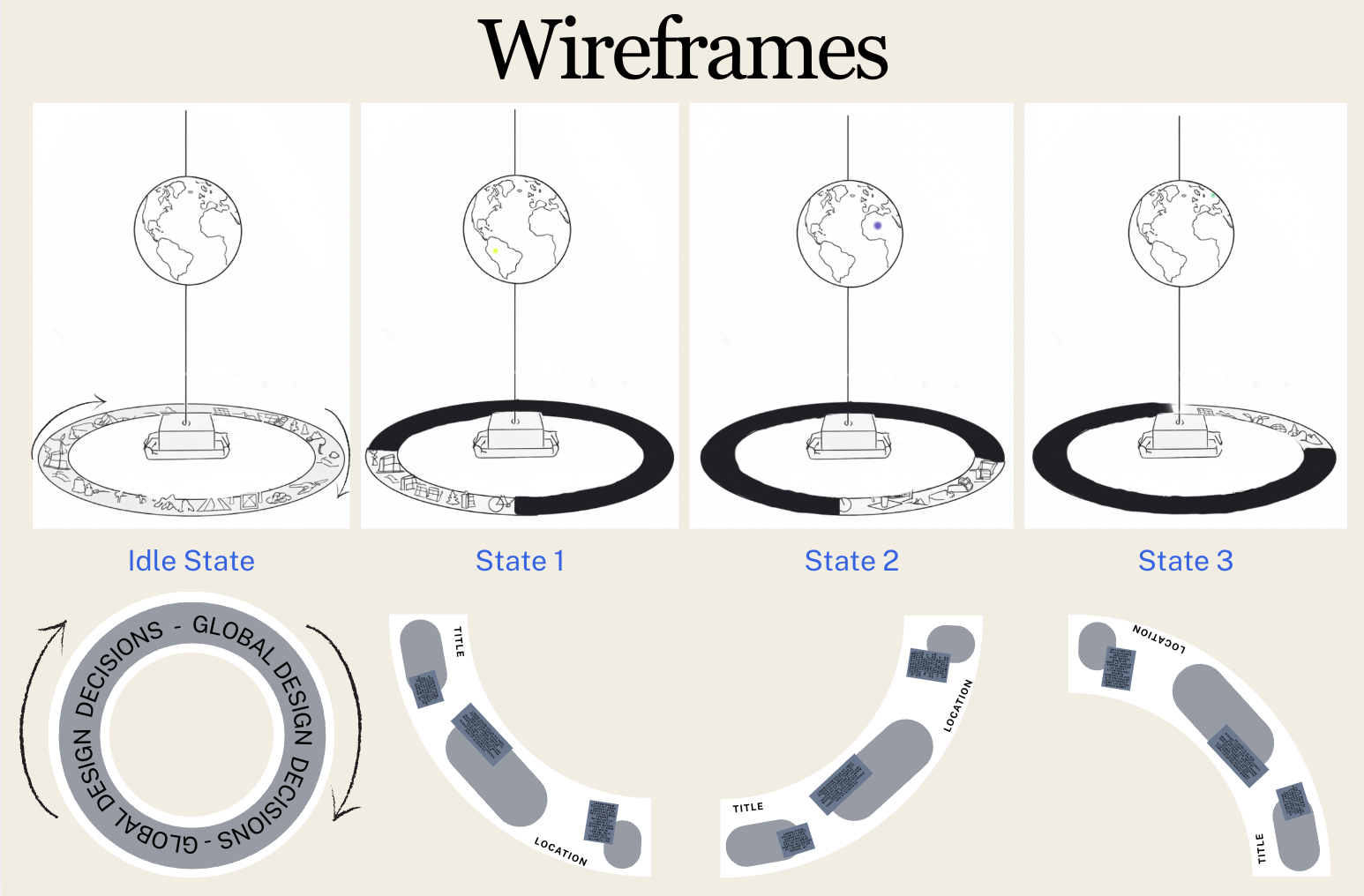
The experience invites visitors to explore different regions of the globe through proximity-based interactions. As visitors approach, illuminated locations and projected animations reveal environmental initiatives from around the world.
Bringing this concept to life required a combination of environmental research, experience design, physical fabrication, electronics, programming, and animation.
My Role: Physical Fabrication, Prototyping, Interactive Technology Support, Visual Design Collaboration
Team: Grace McNabb, Sabrina Hebert, Sofia Di Benedetto
Project: Our Green Realities — Global Green Decisions
Researching a More Optimistic Environmental Narrative
Our initial research focused on identifying real-world sustainability initiatives that demonstrated how environmental progress could take different forms across the globe.
We explored projects involving reforestation, urban green infrastructure, conservation, and environmental policy.
Through this research, we identified four initiatives that could communicate a larger message: meaningful environmental action is happening at different scales and in different communities around the world.
These stories became the foundation for our interactive experience, influencing both the locations highlighted on the globe and the information presented to visitors.
Our goal was to turn environmental research into an experience that felt hopeful, approachable, and engaging.
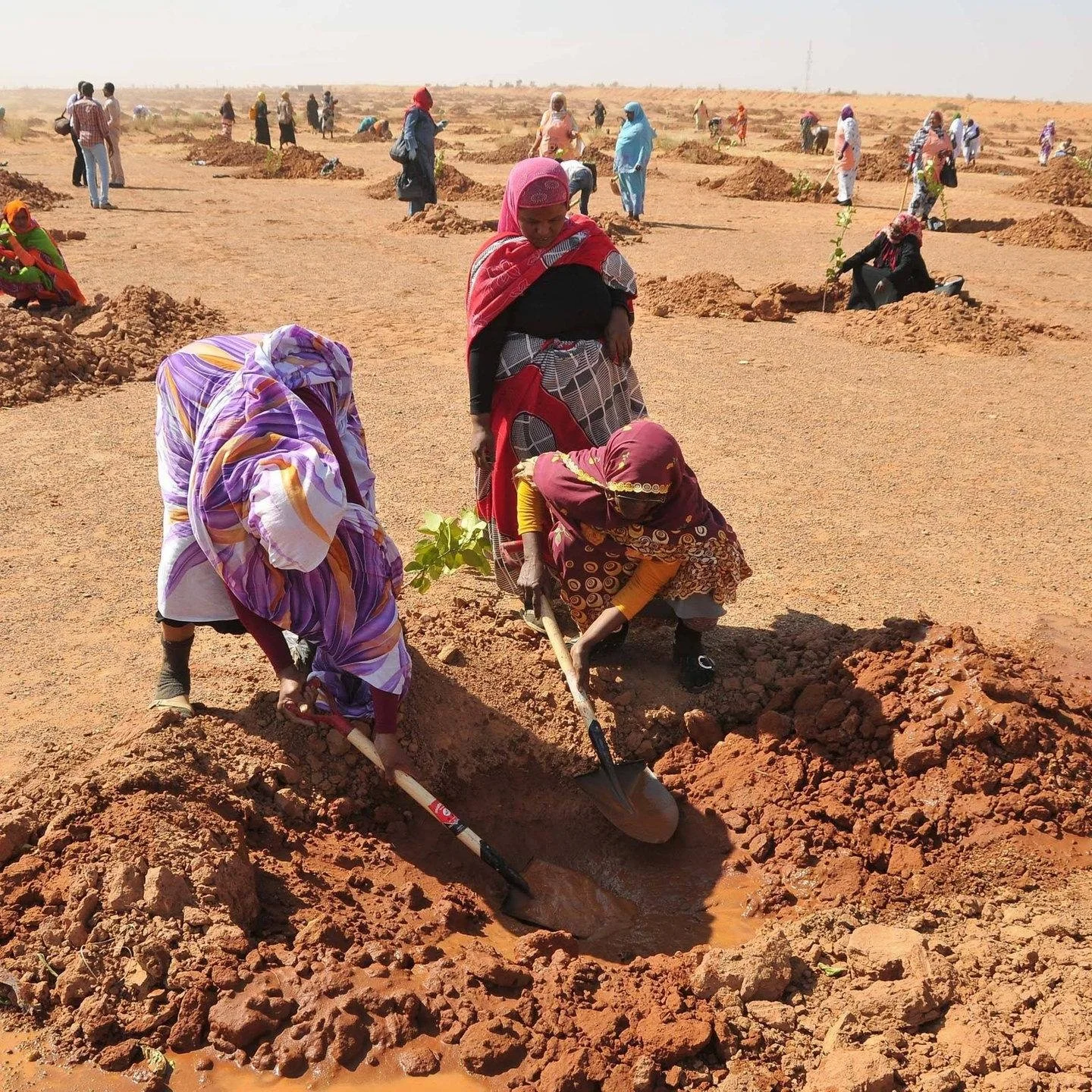
The Great Green Wall - Africa
Restoring degraded landscapes and combating desertification across the Sahel.
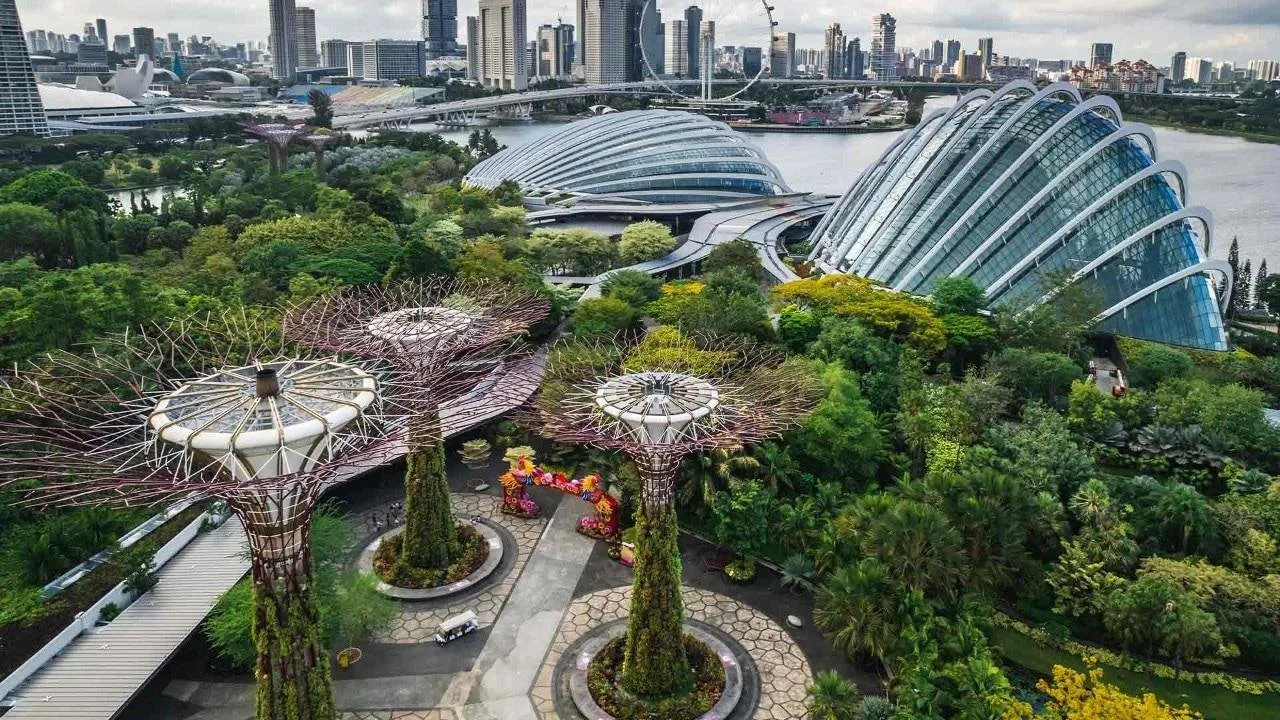
City in a Garden -Singapore
Integrating green infrastructure, vegetation, and environmental planning into urban development.
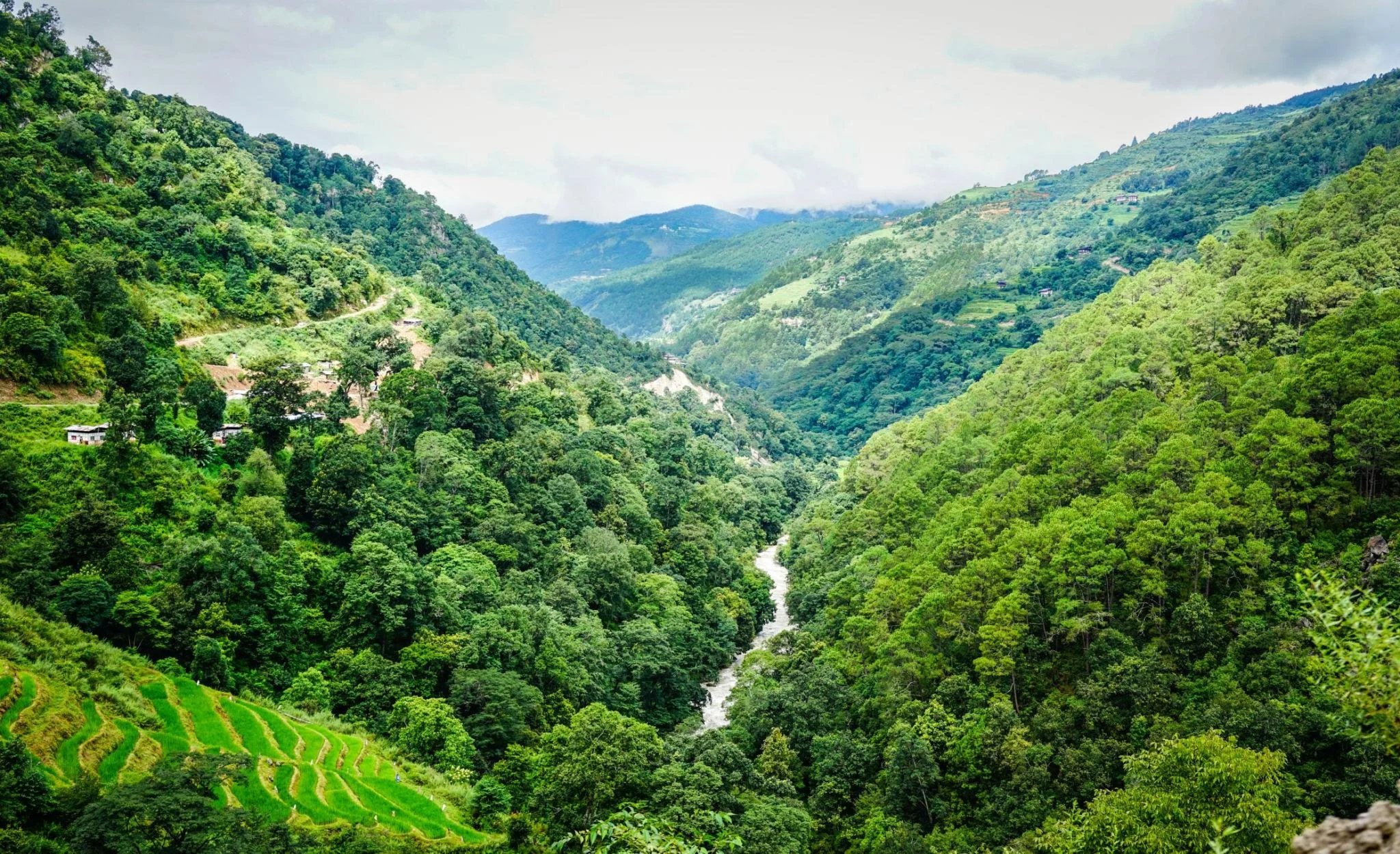
Carbon Negative Development - Bhutan
Exploring the relationship between forest conservation, environmental policy, and national development.
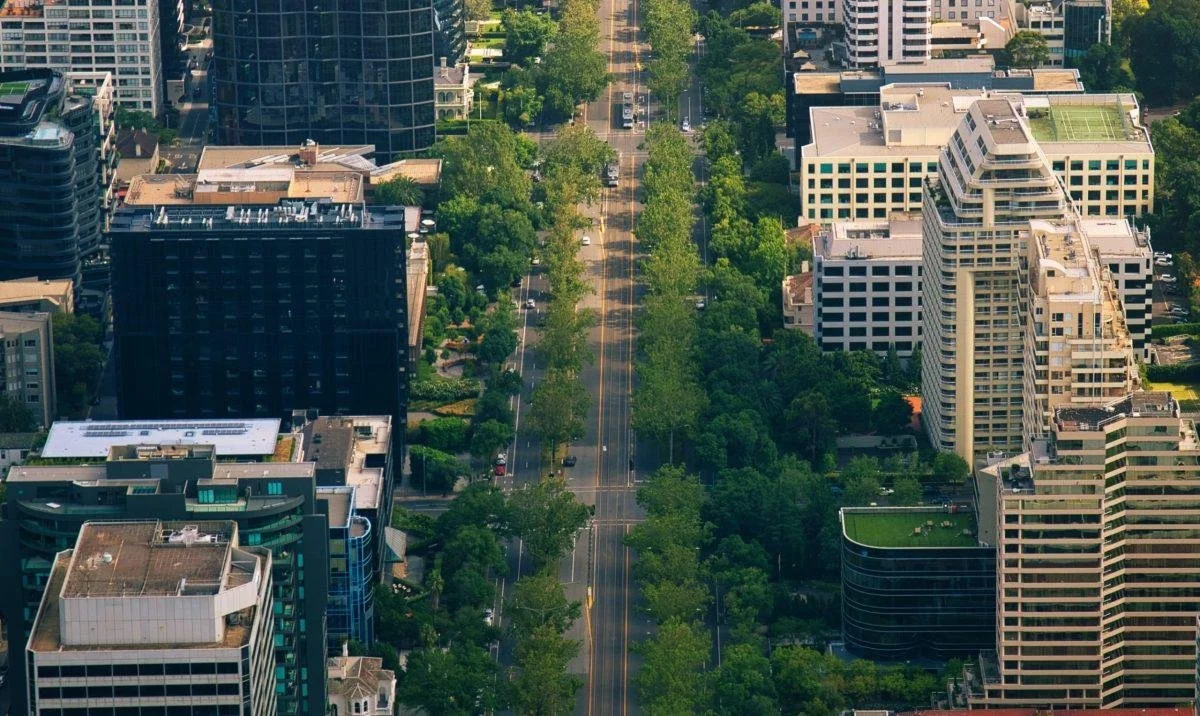
Urban Forest Strategy - Melbourne
Examining how urban tree canopy expansion can address heat, air quality, and city livability.
Bringing the Globe to Life
From Digital Concept to Physical Installation
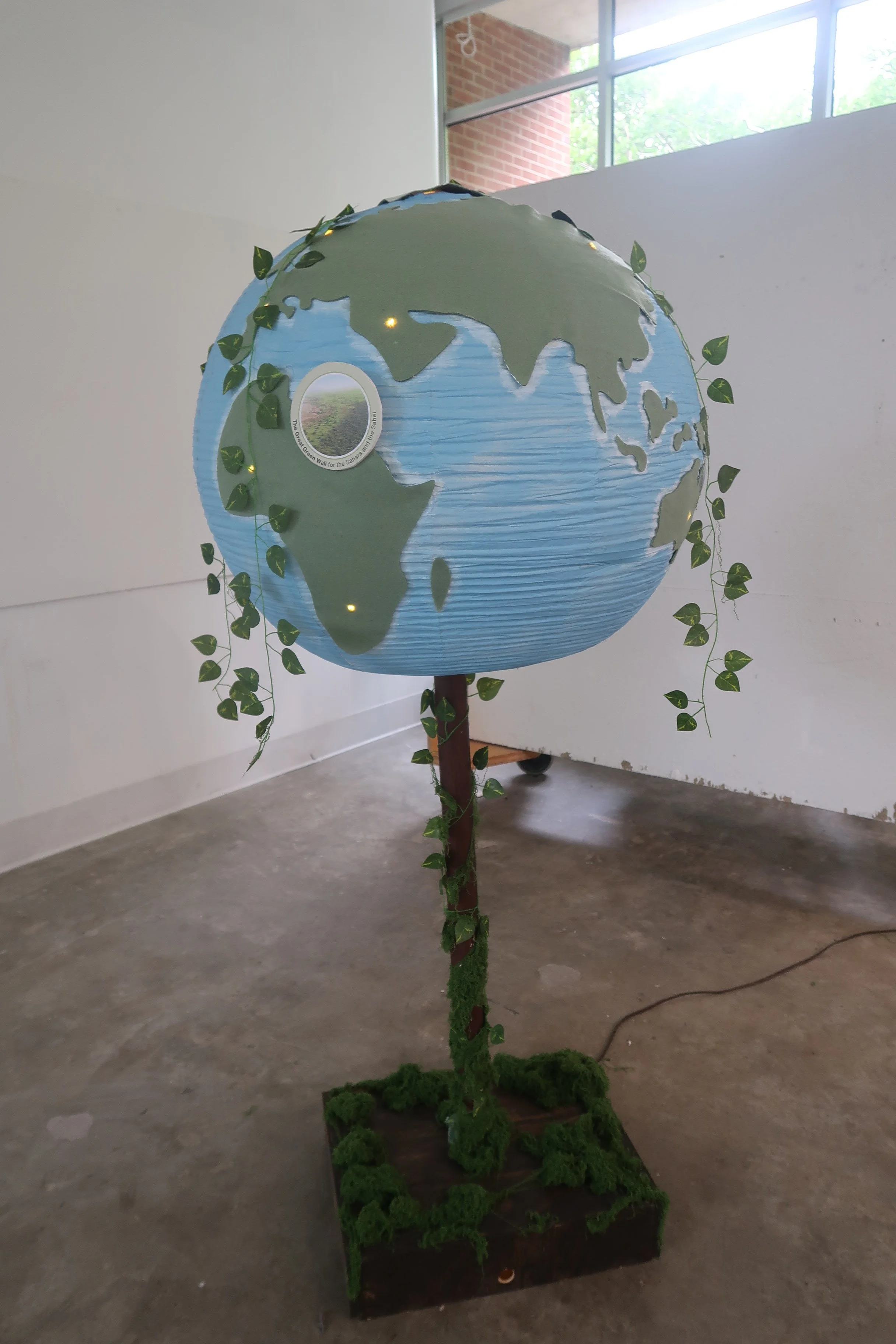
My primary contribution to Global Green Decisions was the physical fabrication and development of the interactive installation.
Our concept required more than creating a recognizable globe.
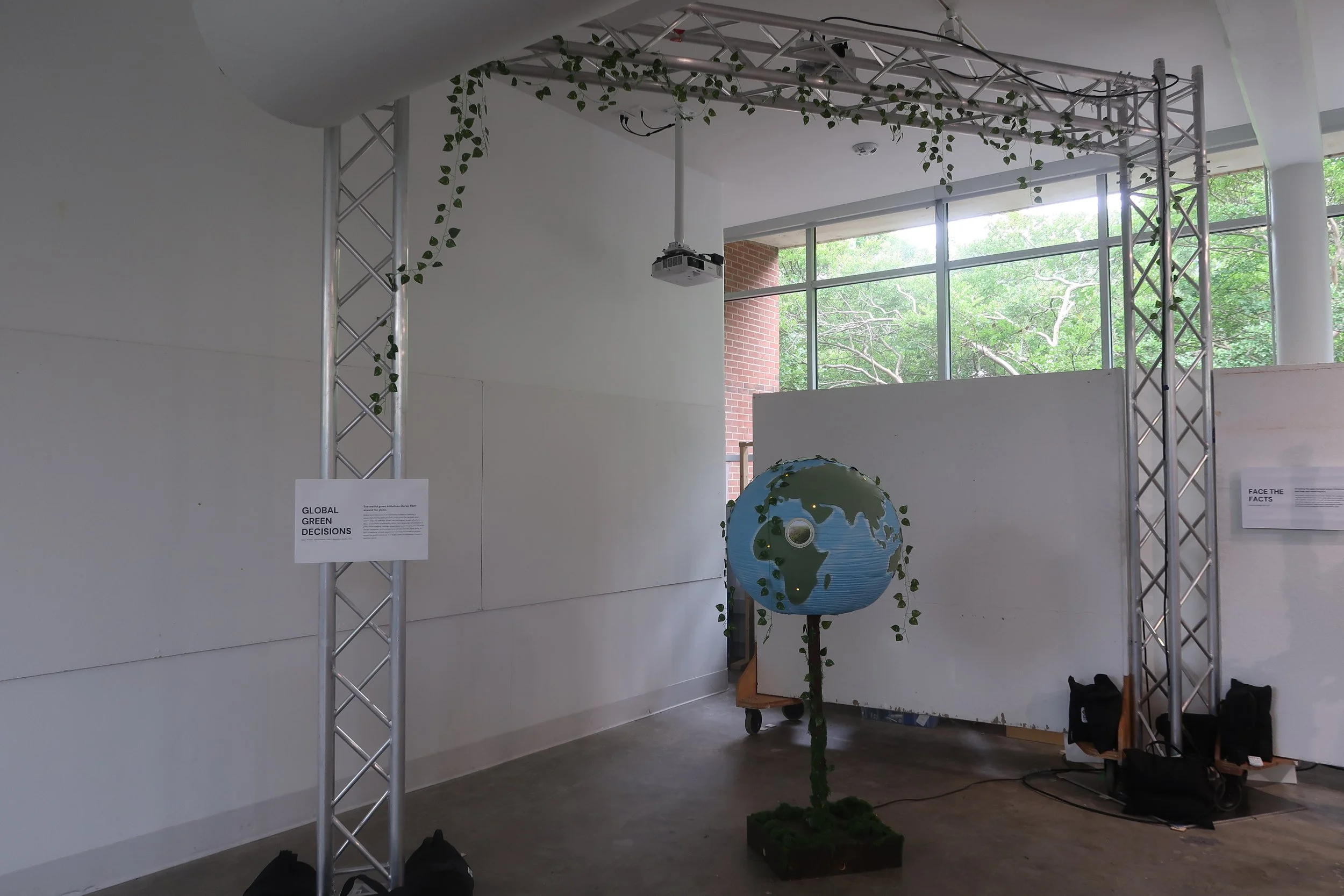
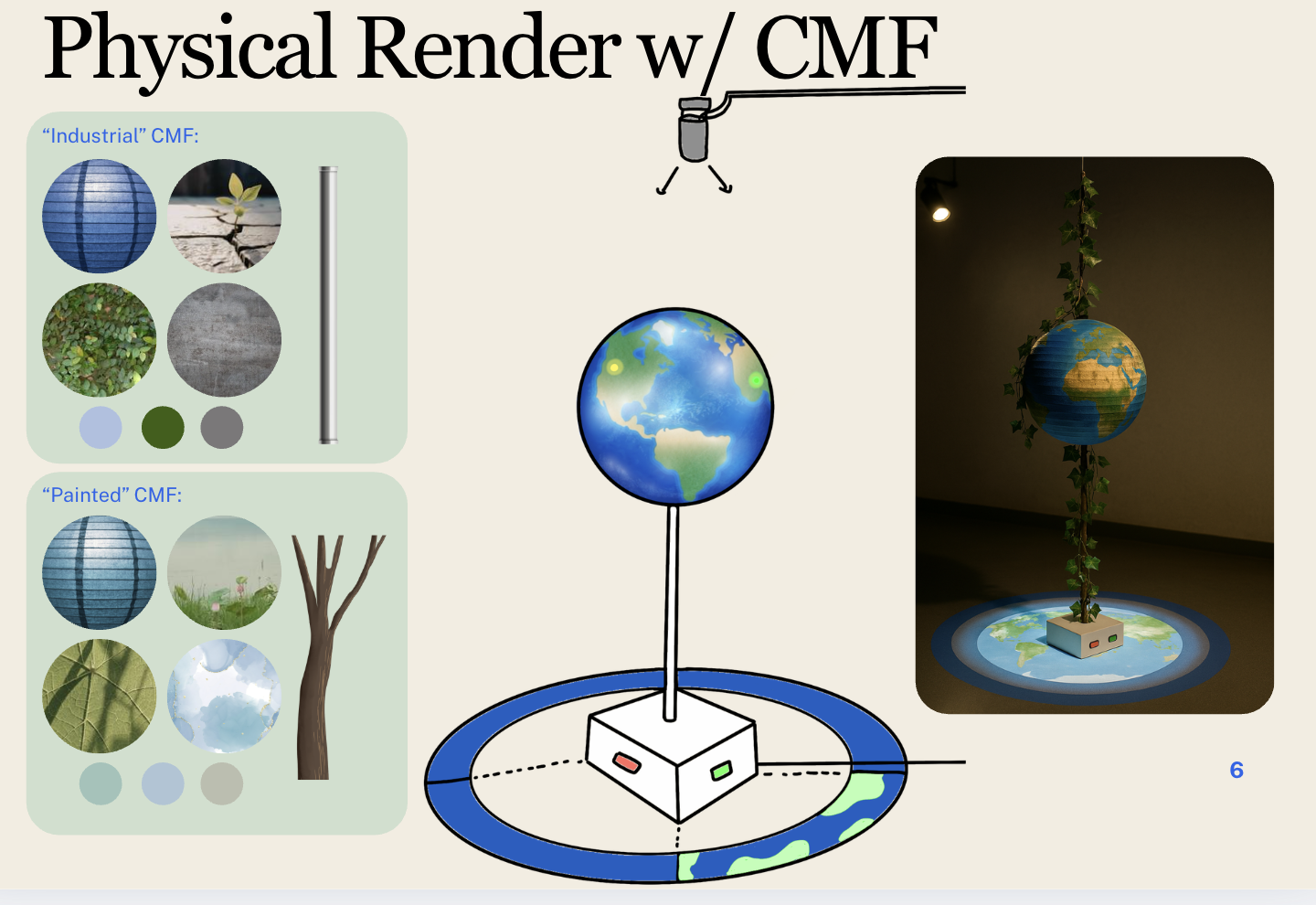
The physical structure needed to accommodate illuminated geographic locations, electronic components, and an interactive projection system while maintaining a cohesive visual identity.
Throughout the fabrication process, I helped translate our initial design direction into a tangible installation, working through the practical challenges of constructing, assembling, and integrating the exhibit's physical components.
The experience required close coordination between physical and digital elements, since the placement of the globe, electronics, and surrounding projection area directly influenced how visitors would interact with the installation.
This process gave me hands-on experience bridging conceptual exhibit design with real-world fabrication and technical integration.
Connecting Physical Interaction With Digital Content
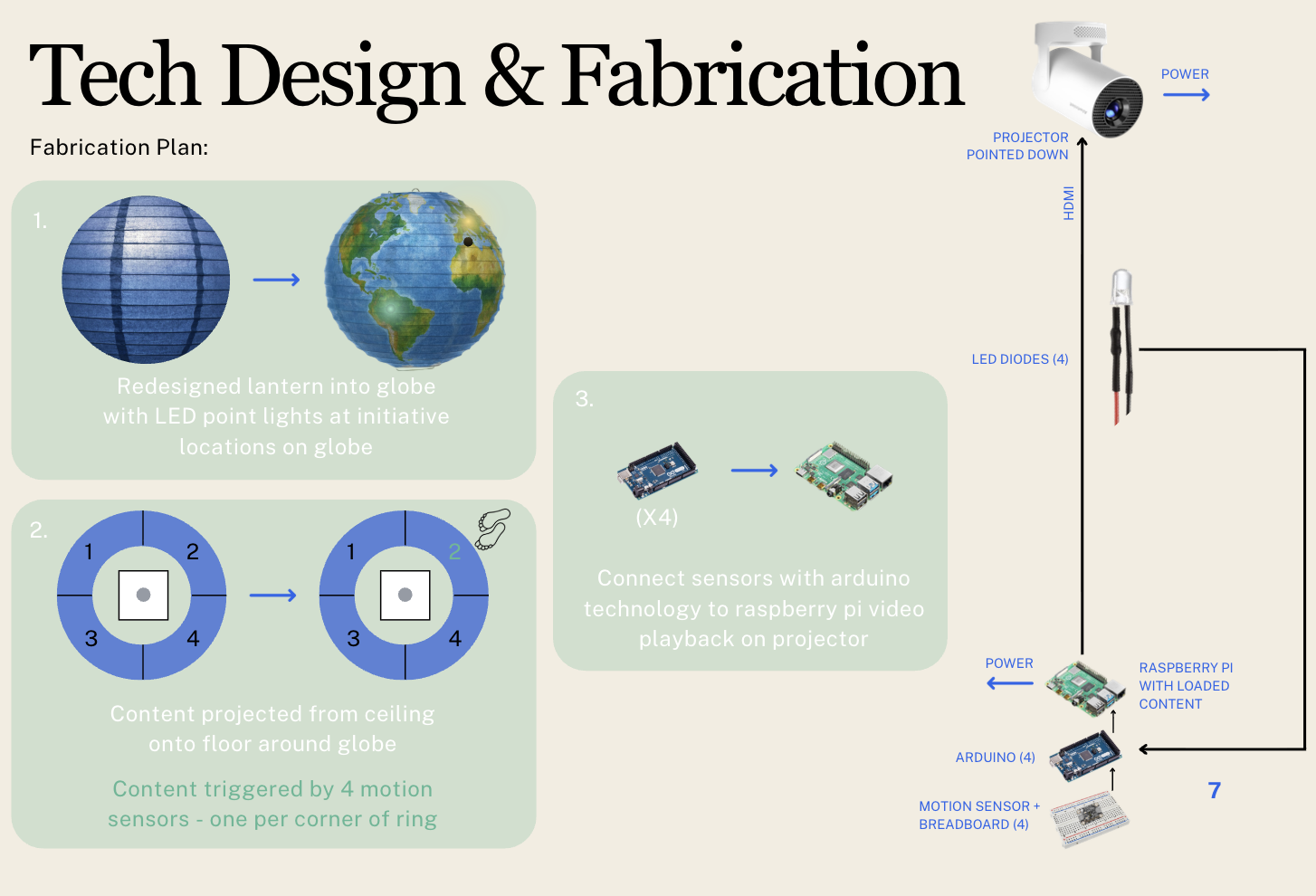
Beyond fabrication, I supported the development and troubleshooting of the installation's interactive technology, including programming and Raspberry Pi functionality.
The system was designed to respond to visitors approaching different regions of the globe. Sensor inputs would trigger changes in the illuminated locations and activate corresponding projected content.
Integrating the physical installation with the digital system required coordination between the globe's electronics, sensor inputs, video playback, and projected animations.
Working on this aspect of the project helped me develop a better understanding of how hardware and software can work together to create responsive, interactive environments.